Quest Cap
BioQuest Capital is an organization focused on advancing biotechnology and technology-driven initiatives with measurable social impact.
Our mission is to support collaboration between scientific research, technological development, and social innovation aimed at improving collective quality of life.

We identify, analyze, and support validated technologies and scientific solutions that address global challenges related to public health systems, environmental sustainability, and data-driven innovation.
Our work is based on technical evaluation, applied research, and practical implementation of biotechnology and life science discoveries.
We believe that the integration of science, technology, and social objectives can generate long-term, measurable impact for both society and the environment.
Objectives and Vision
Our framework is structured around three main areas:
Applied Science and Research
We collaborate with research teams to facilitate experimental validation and implementation of new biotechnological, bioinformatics, and biomedical engineering methods.
The goal is to accelerate the translation of research into applicable technologies through rigorous, reproducible scientific processes.


Technology and Data Systems
Digital tools, artificial intelligence, and data analytics are essential components of our approach.
We work to integrate systems that improve biological data management, enhance model accuracy, and expand understanding of interactions between biological and technological systems.
Social and Environmental Impact
Each project is assessed by its measurable contribution to broader objectives — improved operational sustainability, reduction of scientific waste, and increased traceability in biotechnology workflows.
This ensures alignment between technical performance and social value.

Applications and Collaboration Fields
BioQuest Capital operates across several key areas where science and technology converge:
Biotechnology
development of research platforms, biological production tools, and automated culture systems.
Bioinformatics
processing, annotation, and integration of genomics, proteomics, and metabolomics datasets.
Diagnostic Technologies:
contribution to reliable and validated analytical tools for controlled testing environments.
Sustainable Materials:
exploration of biologically inspired materials and synthetic biology for resource-efficient industrial processes.
Digital Transformation:
cloud-based systems for data modeling, simulation, and intelligent scientific data management.
Methodological Approach
Our work is based on standardized, data-driven protocols that include:

Data Collection and Validation: review of technical documentation and verification of reproducibility

Technological Assessment: evaluation of readiness levels, system integration, and operational compatibility.
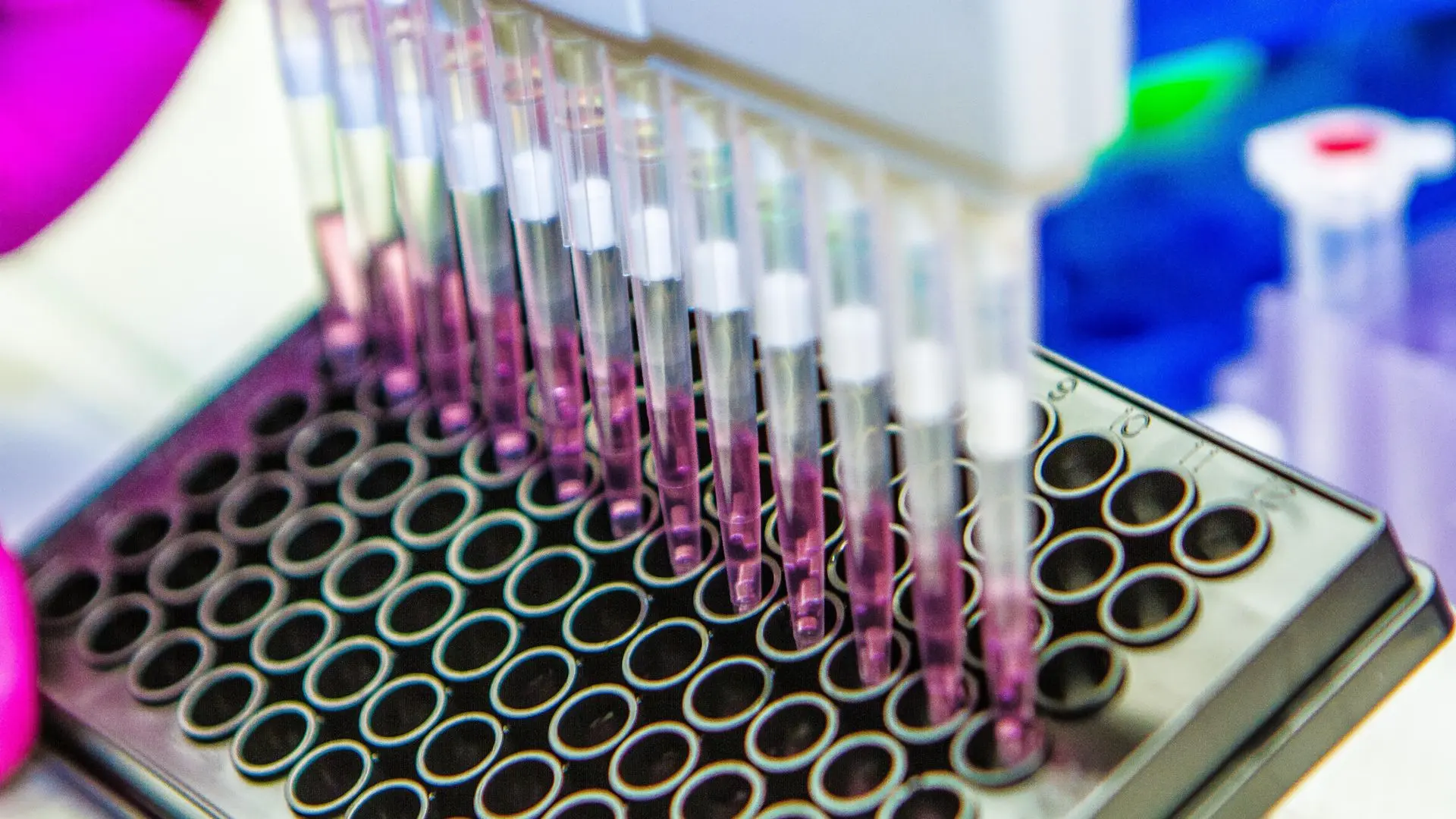
Impact Evaluation: measurement of technical and social applicability using objective, non-financial indicators
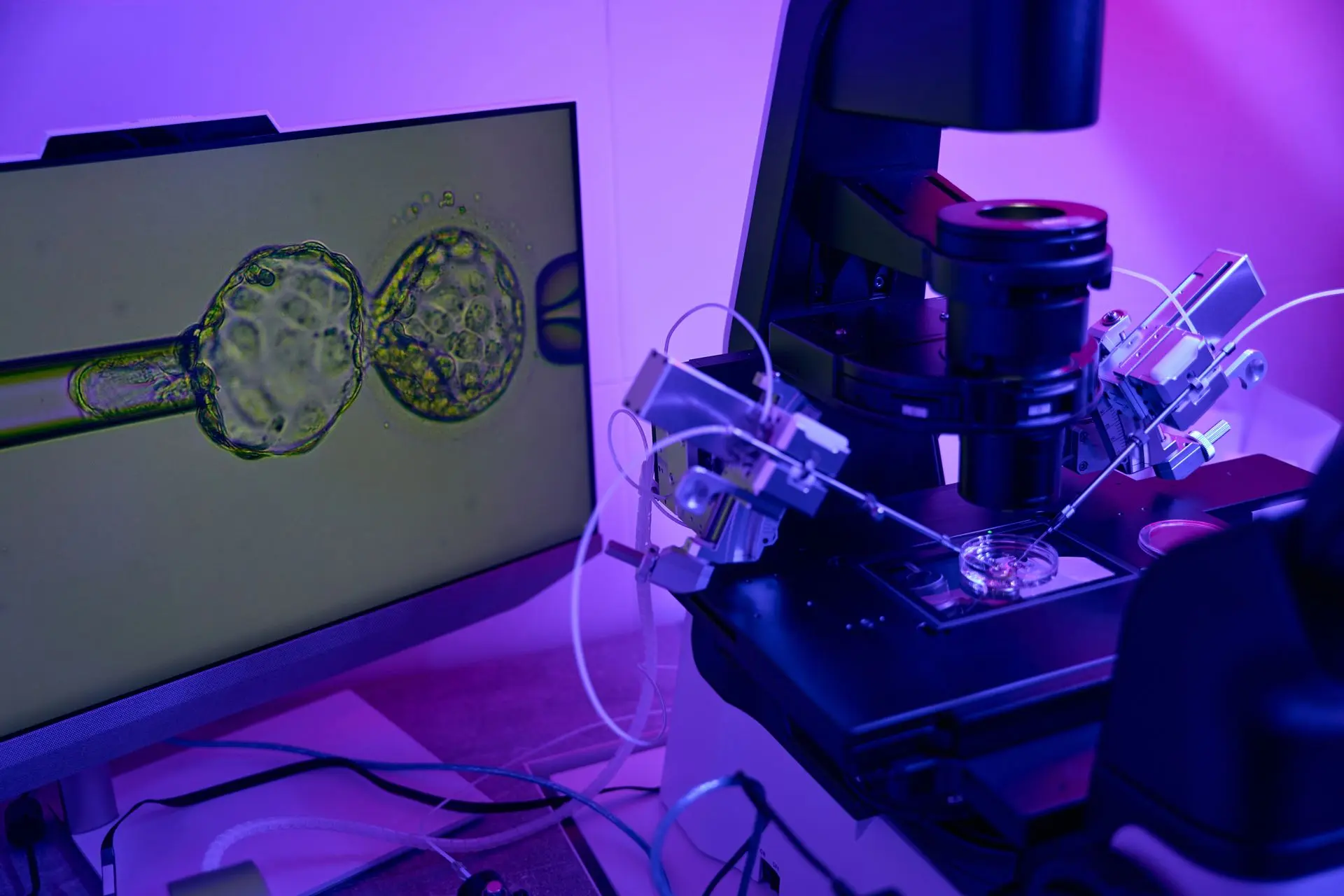
Operational Deployment: technical implementation, prototype validation, and iterative process optimization
=>>> This approach ensures consistency between scientific accuracy, practical execution, and sustainable outcomes.
Project Lifecycle and Management
Every project at BioQuest Capital adheres to a defined lifecycle to guarantee methodical advancement from idea to real-world implementation:
Identification of challenges, setting of scientific and technological objectives, and selection of measurable indicators.
Development of experimental protocols, pilot studies, and functional prototypes for biotechnological and computational solutions.
Continuous assessment at key milestones to track progress, adherence to standards, and reproducibility of results.
Adjustments based on real-world feedback, data analysis, and operational testing to refine and improve performance.

This lifecycle ensures that all projects maintain scientific rigor, operational efficiency, and measurable impact.
Risk Assessment and Mitigation
The proactive identification and control of risks related to biotechnology initiatives is emphasized by BioQuest Capital:
Technical risks: include integration difficulties, protocol inefficiencies, and system breakdowns.
Operational risks: include supply chain interdependence, regulatory compliance, and laboratory safety.
Risks to scientific validity : include problems with data integrity and reproducibility.
Redundancy in trials, validation by several teams, and simulation-based forecasting to foresee possible difficulties are examples of mitigation techniques.
Quality Assurance and Standardization
We maintain the highest standards of scientific and technical quality across all projects:Compliance with international laboratory standards such as ISO, GLP, and CLIA.
Routine quality control at every step: instrument calibration, data verification, and audit procedures.
Complete documentation for reproducibility, traceability, and knowledge sharing within the scientific community.
Collaborative Validation
BioQuest Capital encourages broad cooperation to improve scientific validity:
- collaborations with corporate and academic labs to independently verify results.
- Several teams cross-validate to guarantee scalability, reproducibility, and dependability.
- To hasten the adoption of verified solutions, methodologies and results should be freely shared.
Scalability and Deployment Readiness
Our projects are designed with practical deployment in mind:
1.Prototype to Production
Evaluation of preparedness for use in industry or medicine.
2.System integration
System integration is the process of guaranteeing interoperability with current cloud, industrial, or laboratory infrastructure.
3.Operational Support
Operational Support: Offering monitoring tools, troubleshooting techniques, and technical instructions for implemented solutions.
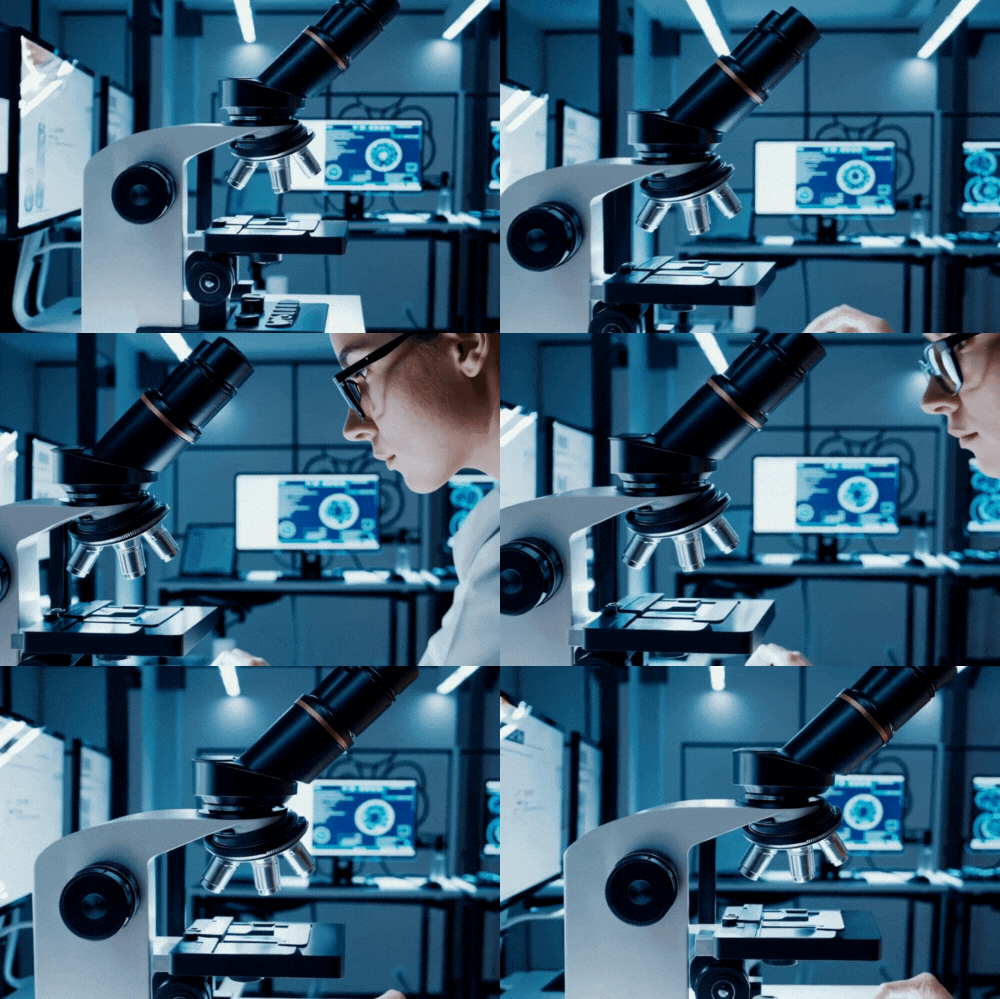
Sustainability and Resource Efficiency
Social and environmental responsibilities are important to our approach:
- reducing operational and scientific waste by using automated systems and efficient procedures.
- creating resource-efficient procedures in material science, synthetic biology, and biotechnology.
- monitoring the effects on the environment and supporting initiatives that have long-term ecological advantages.